Tyre Puncture: Signs, Causes and What Drivers Should Do
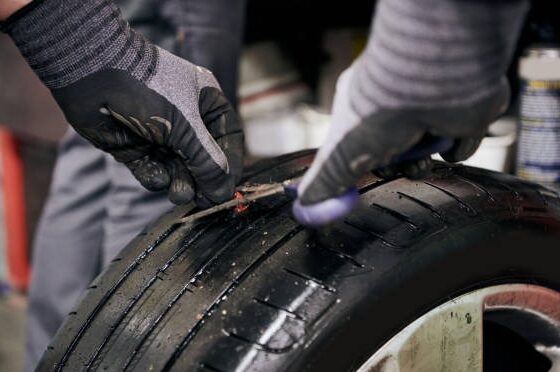
A tyre puncture is one of the most common issues drivers encounter. It usually happens when a sharp object such as a nail, screw or broken glass pierces the tyre and allows air to escape. This can lead to a slow leak or sudden deflation depending on the size of the puncture.
Recognising the warning signs early can help you respond quickly and avoid further damage or unsafe driving conditions.
Common signs of a tyre puncture
Several warning signs may indicate a punctured tyre while driving or during inspection.
One of the most noticeable signs is low tyre pressure. If one tyre loses air significantly faster than the others, it may be punctured or leaking.
Other signs drivers may notice include:
- The car pulling slightly to one side while driving
- Unusual vibrations or thumping sounds from the wheel area
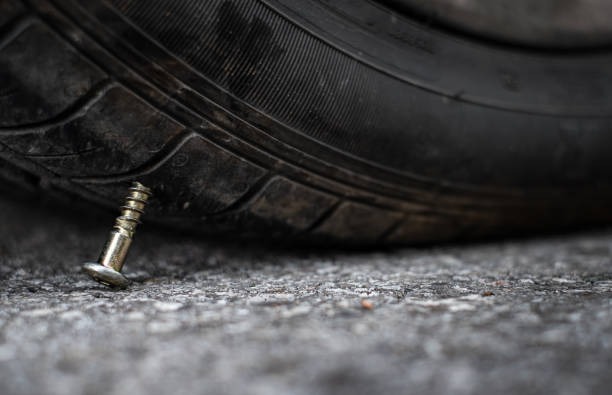
- Visible objects such as nails or screws embedded in the tyre
- A tyre pressure warning light on vehicles with TPMS systems
In many cases, a puncture affects only one tyre and causes rapid pressure loss shortly after inflation.
If you want to understand these warning signs more clearly, you can explore this guide on tyre puncture which explains how to identify a punctured tyre.
Common causes of tyre punctures
Several everyday situations can lead to a tyre puncture. The most frequent cause is sharp debris on the road. Small objects like nails, screws or broken glass can easily penetrate the rubber and create air leaks.
Other common causes include:
- Driving over potholes or rough road surfaces
- Under-inflated tyres that generate excess heat and stress
- Overloading the vehicle with excessive weight
- Worn tyres with reduced tread protection
Regular tyre inspections and maintaining proper pressure can help reduce the likelihood of punctures.
What to do if your tyre is punctured
If you suspect a puncture while driving, the first step is to slow down gradually and move to a safe location. Avoid sudden braking or sharp steering, which could worsen the situation.
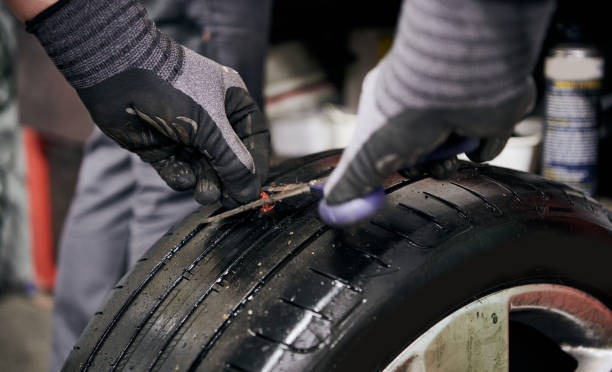
After stopping safely, inspect the tyre for visible damage or embedded objects. If the tyre has only a small puncture in the tread area, it may be repairable by a tyre professional. However, punctures on the sidewall or large tears often require a full tyre replacement.
Drivers should avoid driving long distances on a deflated tyre because it can damage the tyre structure and make repair impossible.
Preventing tyre punctures
Although punctures cannot always be avoided, several habits can help reduce the risk:
- Check tyre pressure regularly
- Inspect tyres for debris or damage
- Avoid driving over sharp road debris when possible
- Maintain proper vehicle load and tyre condition
Routine maintenance and awareness of road conditions play an important role in tyre safety.
Final thoughts
A tyre puncture can occur unexpectedly, but understanding the warning signs and common causes helps drivers respond quickly and safely. Regular inspections, proper tyre pressure and careful driving can reduce the risk of punctures and keep your vehicle running smoothly.